

Five ways to earn money from cosplay
Cosplay can support paid work, but a costume alone is not a business model. Choose a service, price the work involved and test demand before relying on the income.
Read article →11 articles
Cosplay can support paid work, but a costume alone is not a business model. Choose a service, price the work involved and test demand before relying on the income.
Read article →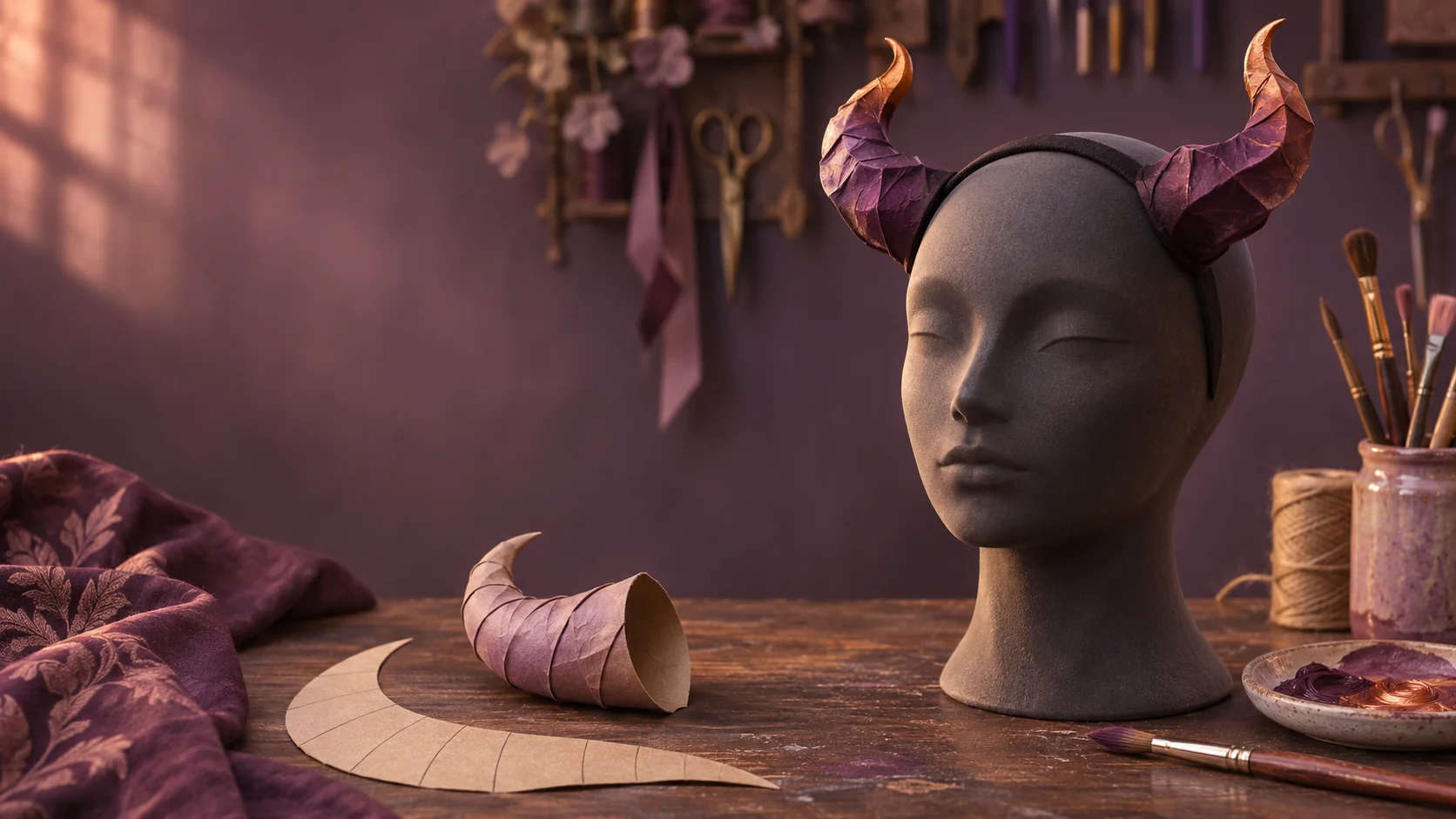
Begin with small hollow paper horns to test the shape, balance and attachment. A lightweight prototype is easier to revise than a heavy finished headpiece.
Read article →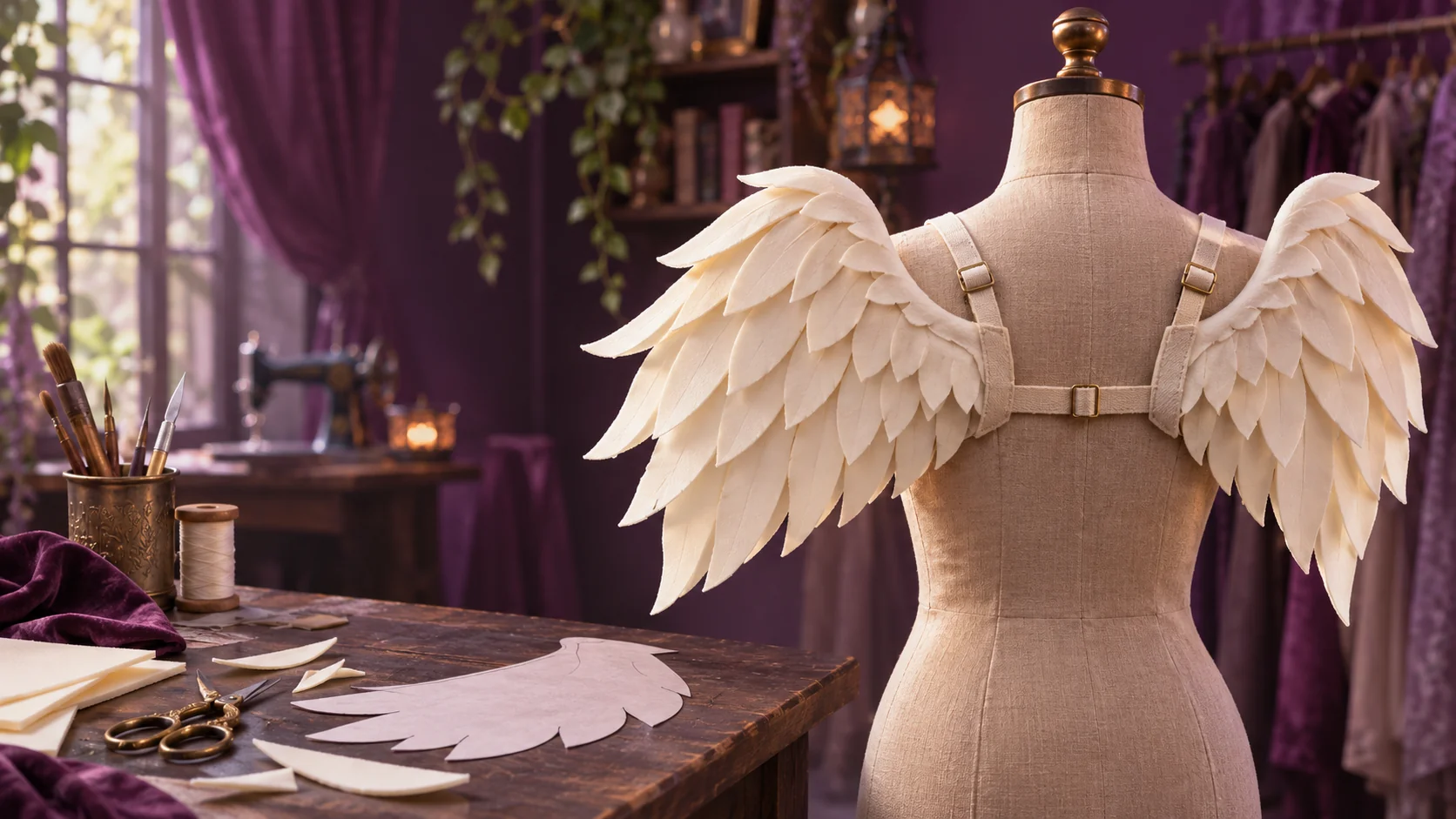
For a first wing project, use a compact decorative pair with a removable attachment. Test the outline and how it moves with you before adding layers or increasing the span.
Read article →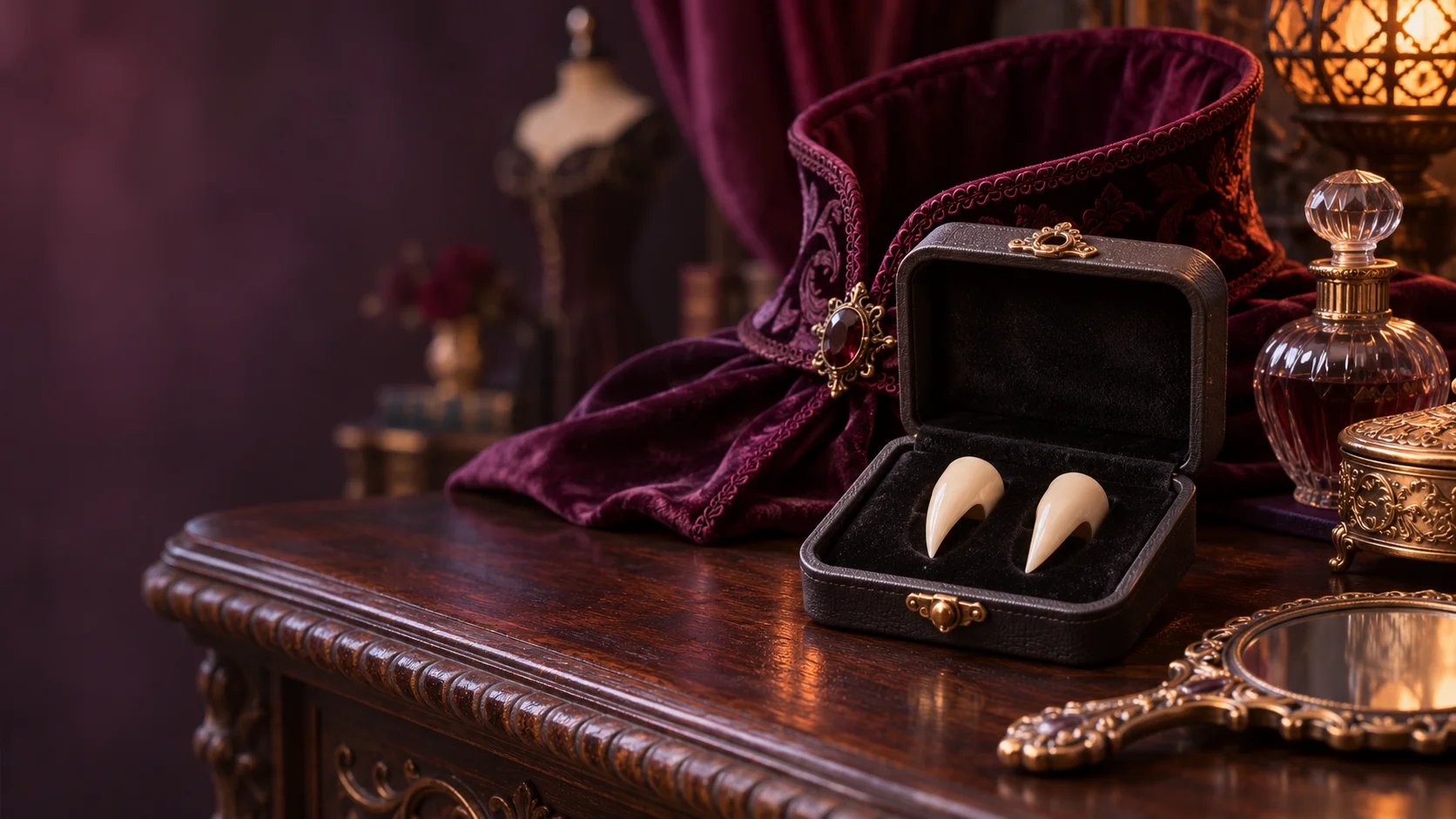
Do not attach craft materials or household glue to your teeth. For a wearable fang effect, ask a dentist about suitability and use a purpose-made product according to its instructions.
Read article →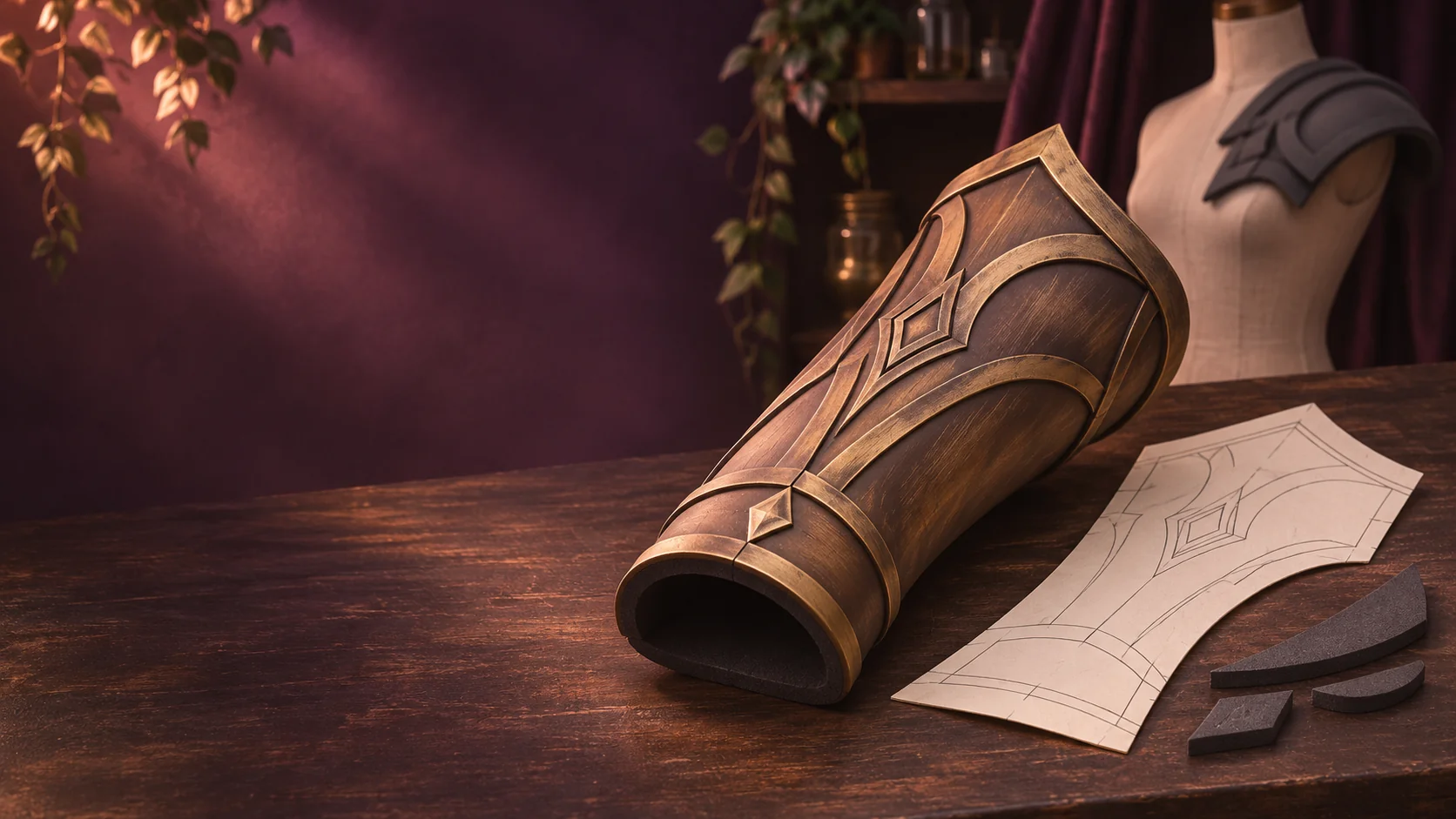
Begin with one small armor panel, such as a forearm piece, and test its pattern and fastening before building a full suit. Cosplay armor is decorative and does not provide protective equipment.
Read article →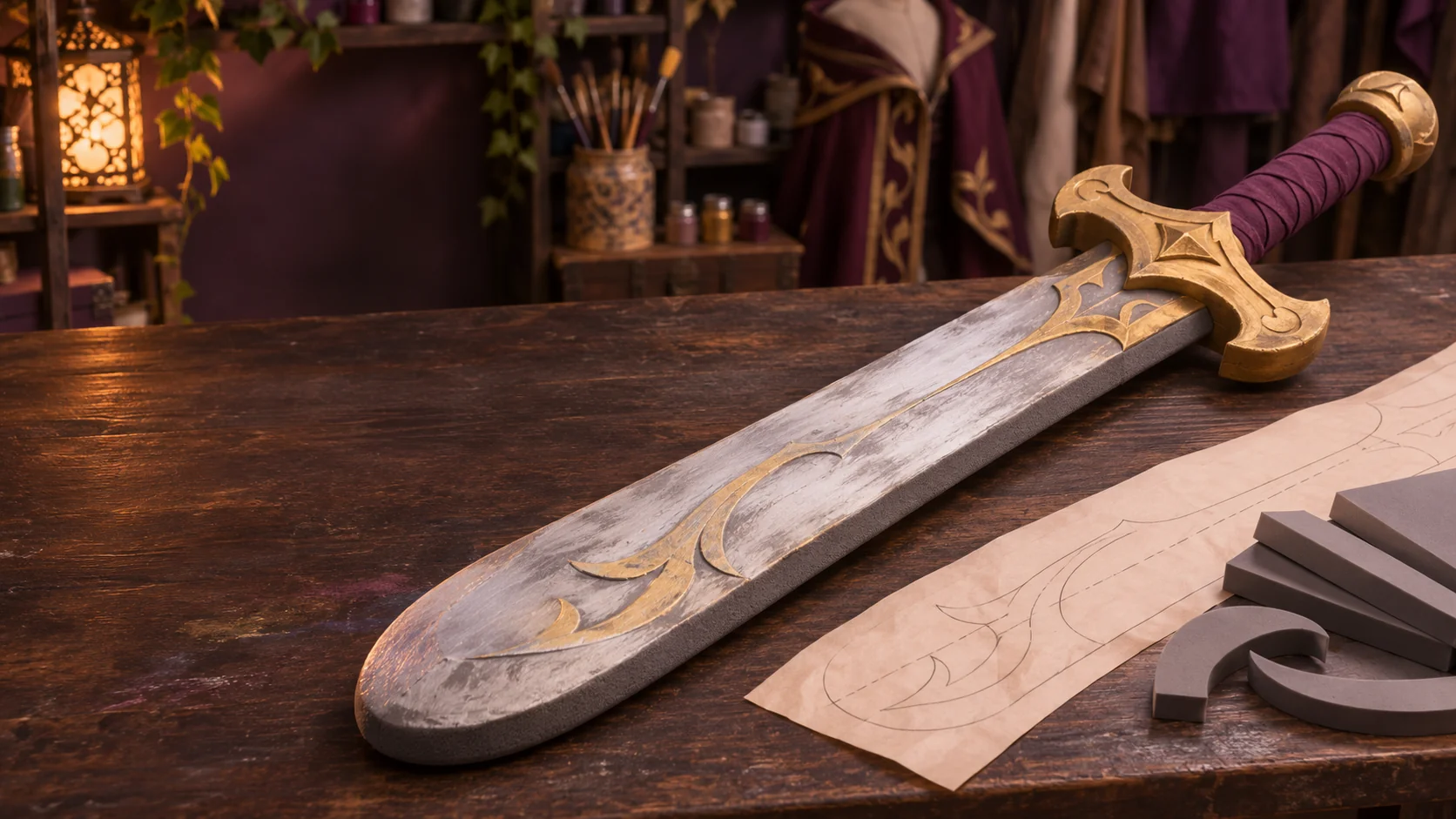
Build a clearly decorative, lightweight prop with blunt edges and no working mechanism. Check the event's rules before choosing the size, shape or construction.
Read article →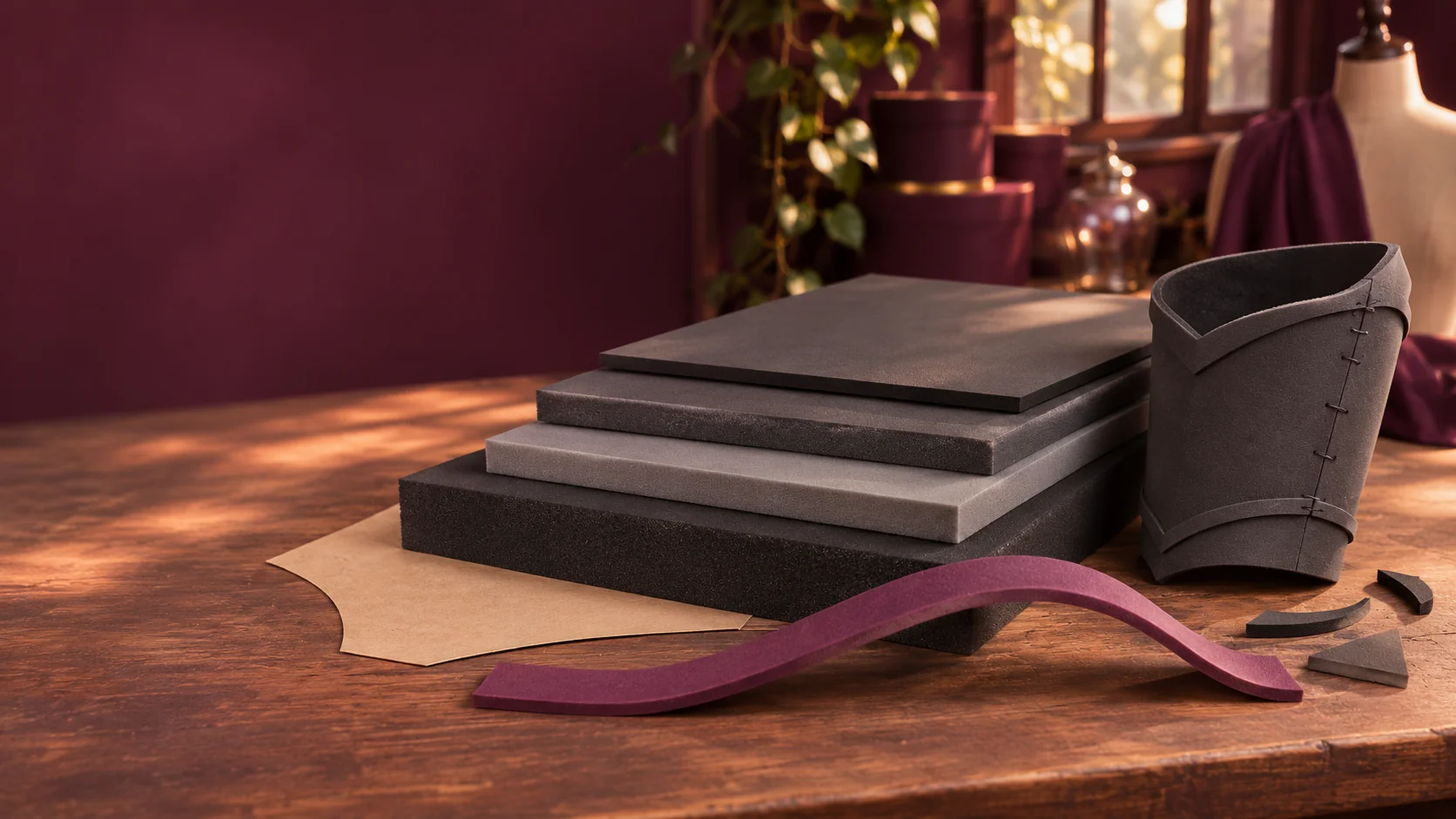
EVA means ethylene-vinyl acetate. In cosplay, foam sheets are used for decorative shapes such as armor panels and trim, but thickness and firmness change how a piece behaves.
Read article →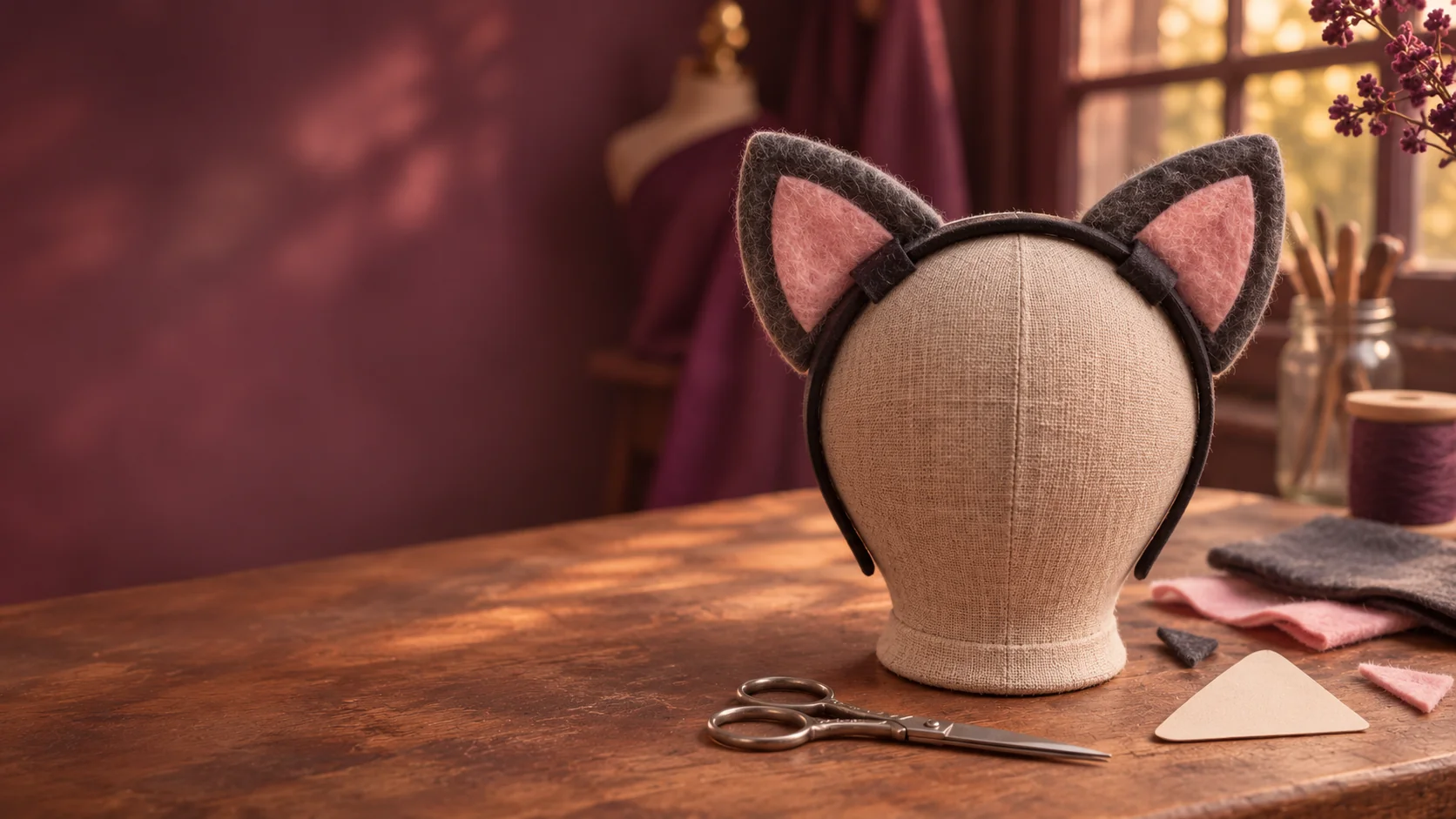
A felt-and-headband pair is a manageable first accessory. Make a paper template, test the placement and keep the finished ears light enough to sit without pulling the band.
Read article →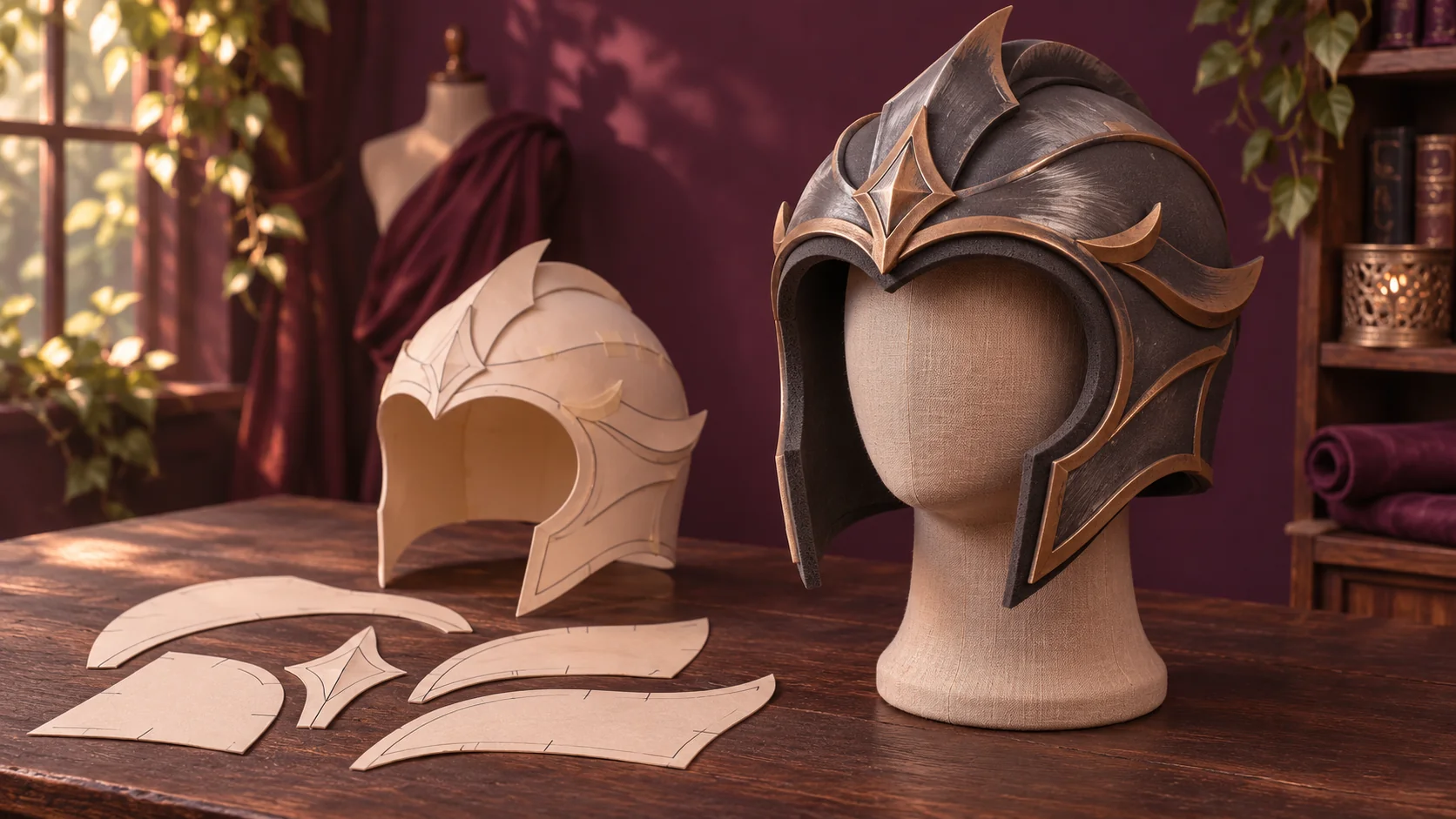
Make a roomy paper mockup before building a decorative helmet. Visibility, ventilation and easy removal should shape the pattern from the start.
Read article →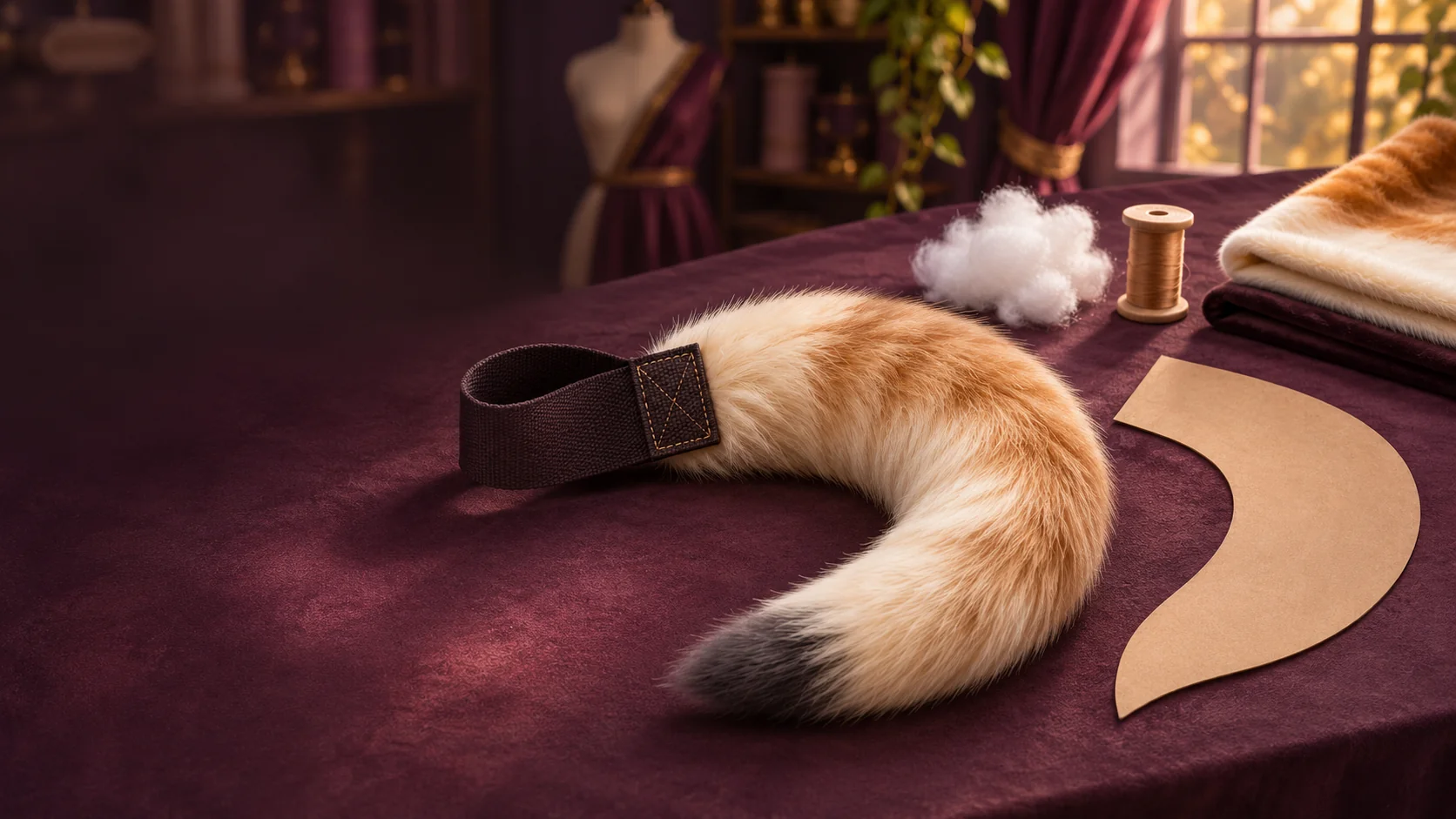
A short stuffed fabric tail with a removable belt attachment is a manageable starting project. Test its length and placement before cutting faux fur.
Read article →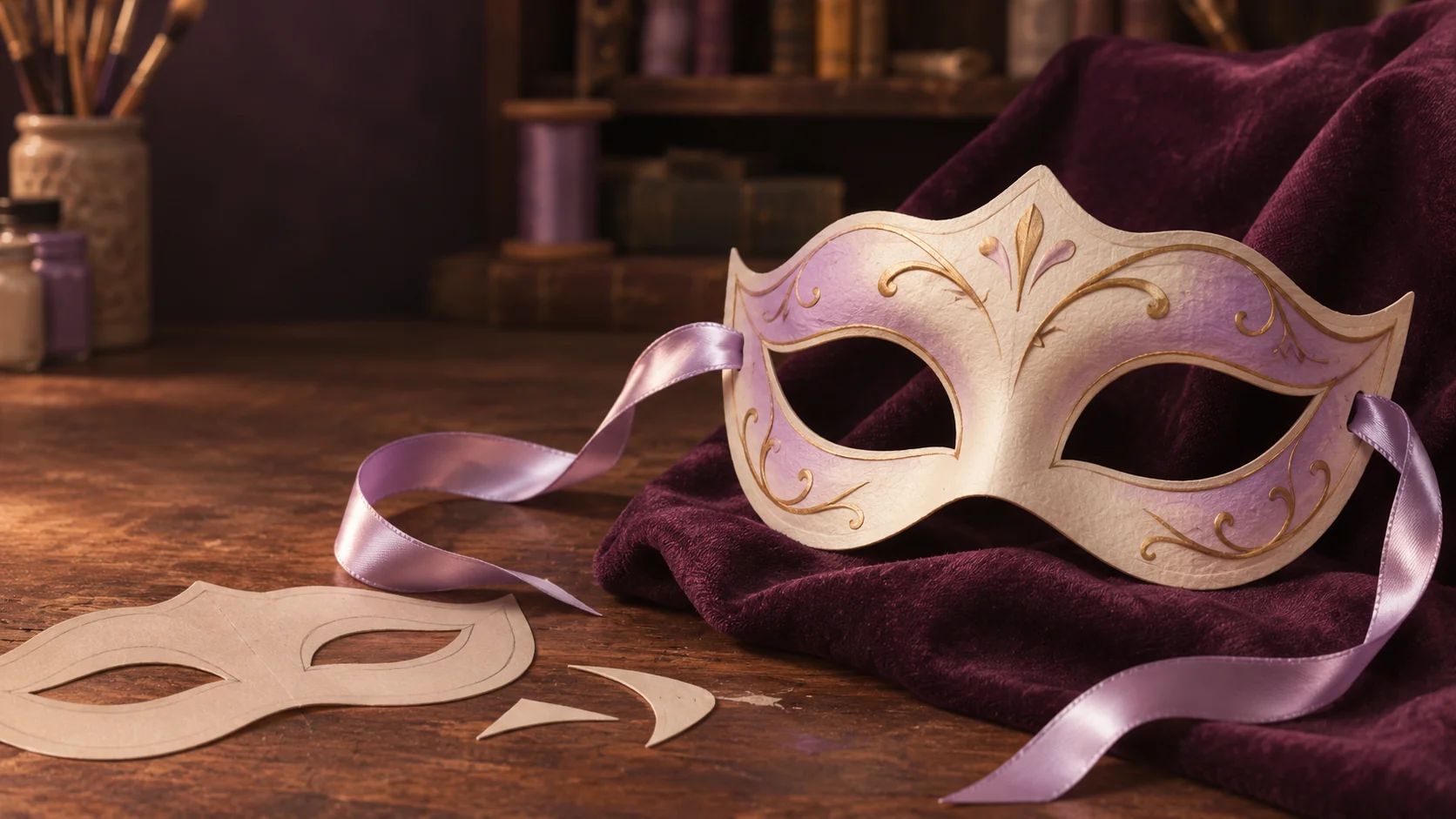
Begin with a small half-mask made from a paper pattern and a suitable lightweight craft material. Keep your breathing, vision and ability to remove it clear throughout the design.
Read article →