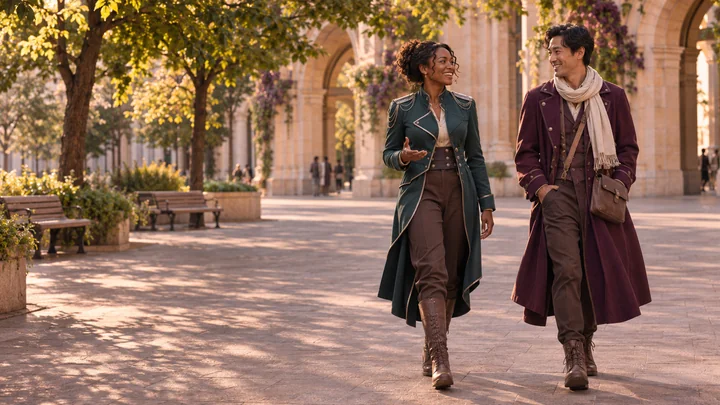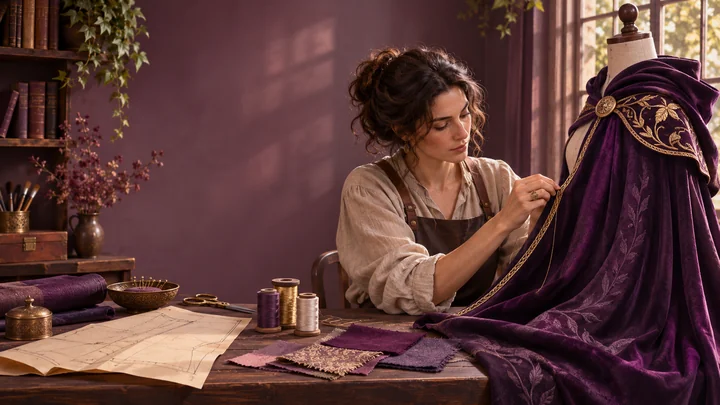
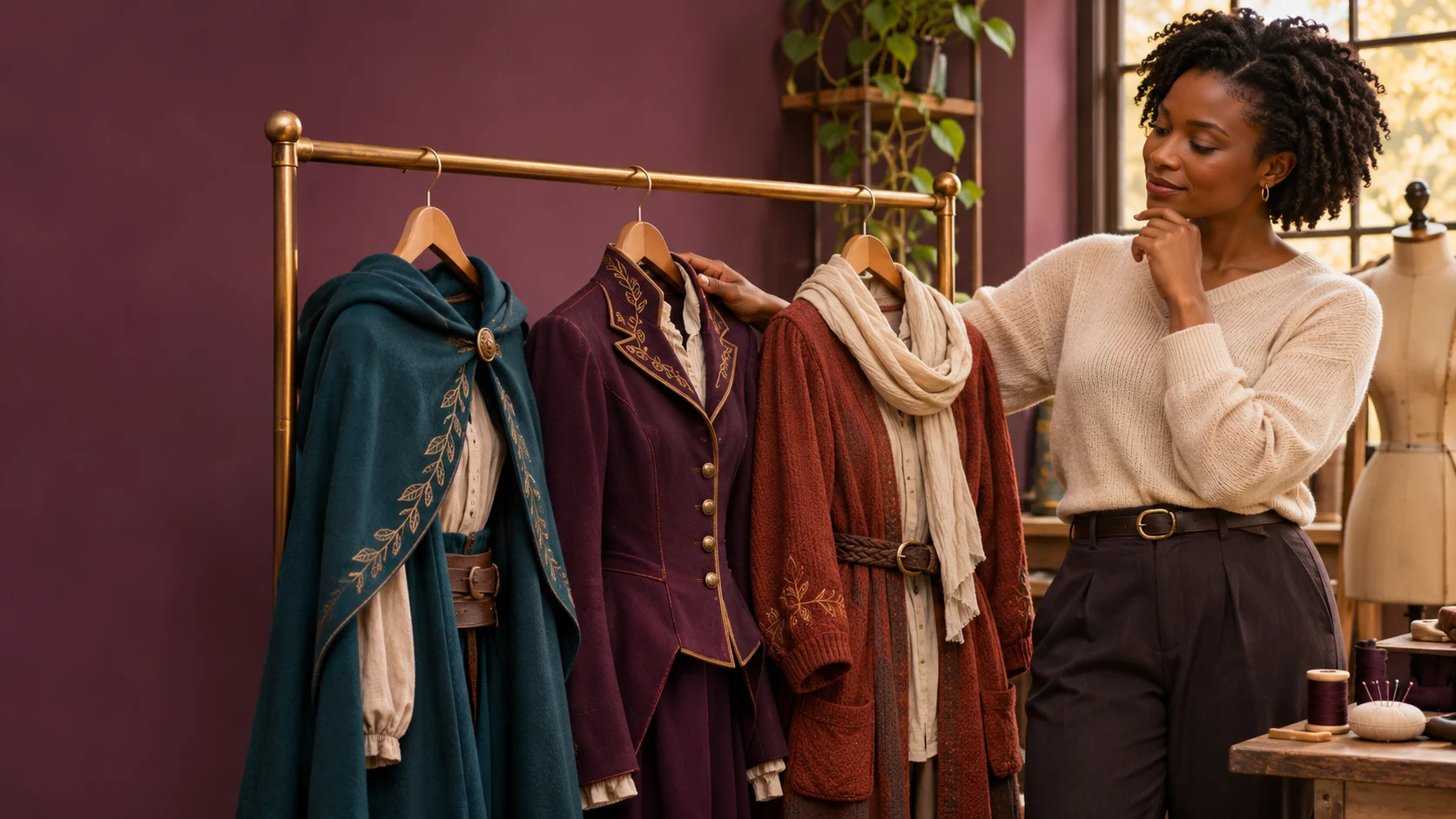
Make a short list
Choose three characters or outfit versions rather than collecting dozens of possibilities. Write one reason you want to wear each. It might be a jacket, a hairstyle, a story connection or a group plan. If you cannot identify what attracts you to an option, put it aside until a later project.
Compare the hidden work
List footwear, hair, base clothing and accessories separately. Note what you already own and what would require a new technique. A simple-looking costume can still need difficult tailoring. A visually elaborate character may have a casual version that suits your first attempt. Use the same checklist for every candidate.
Set your limits before shopping
Choose a spending ceiling and a realistic amount of making time. Include delivery, alterations and small supplies rather than only the headline costume price. Decide which details are optional. Our buying-guide directory helps you check what a retailer actually includes.
Match the event
Think about weather, seating, transport and prop rules. A small indoor photoshoot and a long convention day may call for different versions of the same character. Check the organizer's conduct and costume rules. Comic-Con's policy shows the kinds of restrictions worth checking.
Choose one achievable version
Pick the option with a clear path to a wearable result, then save the others for later. You can simplify an accessory or use your own hair. If no existing character fits your idea, an original character design may be more satisfying than forcing a choice.
Choose for your own reason
A character can appeal because of a story, a visual design, a challenge or a memory shared with friends. Start with the reason that matters to you. You do not need to match a character's body, age or background to make a thoughtful costume. If you want to reinterpret the design, decide which features will make your version recognizable. Keep a few reference images for consistency, but do not let someone else's finished build define the only acceptable result. Your choice should make you interested enough to spend time wearing and improving it.
Compare three possible designs
Make a short list rather than browsing indefinitely. For each candidate, note the main clothing pieces, makeup, hair, accessories and any prop. Estimate the time and money required for a simple wearable version, not just the most elaborate reference image. Check whether you already own useful pieces. A character with a distinctive silhouette may be easier to communicate than one whose recognition depends on many tiny details. Put the candidates side by side and identify which one still appeals when the shopping and making work is visible.
Think about where it will be worn
An indoor convention, outdoor festival and home photo session impose different constraints. Check the forecast, travel route and any venue rules. A floor-length train, tall headpiece or bulky weapon may be fine for a staged photograph but awkward in a busy hall. Decide whether the costume can be packed, put on and removed with the help you will actually have. If a prop is essential to the design, check whether it is permitted and plan a version without it. The setting can make a simpler character choice more enjoyable.
Assess comfort and movement
Look beyond the front-facing image. Can you walk, sit, see clearly and use your hands? Will the shoes support the amount of standing you expect? Are skin-contact materials suitable for you? A character's outfit can be adapted for warmth, mobility or accessibility while preserving its central visual cues. Make a paper or clothing mock-up and test it at home. If a mask, wig or armor piece causes discomfort, change the design rather than committing to a difficult day. Comfort is a design requirement, not an optional reward after the costume is finished.
Plan the version you can finish
A single character often has multiple appearances across stories, seasons or fan interpretations. Choose one reference version and list its essential elements. Then divide them into first-day and later additions. If the deadline is close, prioritize fit, color and one focal detail. Decorative extras can wait. If you are learning a new craft, build a sample before working on the final piece. Check delivery times and returns for anything you buy. A costume that is ready a week early gives you time to rehearse and repair it.
Consider group plans carefully
A group theme can make an event fun, but do not choose a character only to fill an empty slot. Ask what level of coordination everyone wants: matching colors, shared story, staged photos or a full performance. Agree on the event time and meeting point. Leave room for someone to change or simplify their costume. If the group wants a prop-heavy theme, each person should check the venue rules for their own items. A clear plan prevents one person's design from becoming an unexpected obligation for the others.
Avoid comparison traps
Online photos often show a costume under controlled lighting after many revisions. They do not reveal the budget, help, rejected attempts or how comfortable it was to wear. Use them for inspiration and technique, not as a scorecard for your first version. Notice what makes a design effective and adapt that lesson to your tools. If you share your result, credit patterns and collaborators. Constructive feedback should address a specific technique you asked about, not your eligibility to portray a character. The choice is yours to make and revise.
Make the final decision practical
Choose the candidate that best fits your goal, available time, budget and setting. Write down the first three actions: gather references, check what you own and make one test piece. Put a date on the wearable version so optional details do not take over the schedule. If you remain torn between two characters, choose the one you can finish now and save the other for a future project. After the event, note whether you enjoyed wearing it. That experience is better evidence for your next choice than a popularity ranking.
Use event information as a filter
The specific venue's current rules should shape a character choice. Comic-Con's policies show that costume props can require inspection and oversized pieces can be limited. New York Comic Con's cosplay guidance also addresses photo boundaries and event resources. Accessibility information helps with route and service planning. If a design calls for unfamiliar molded parts, material safety guidance is a reminder to inspect product-specific instructions. These are examples, not universal rules. Check the organizer and products for the event you choose.
Use a final choice checklist
Can you describe the character version in one sentence? Have you identified the clothing and one most recognizable detail? Can you make or obtain those pieces within your budget and schedule? Will the outfit work in the place where you intend to wear it? Do you have a plan for transport, shoes and essentials? If a prop is involved, have you checked the organizer's current policy? If you answer yes to most of these, you have an achievable starting point. If not, simplify the version rather than abandoning the character automatically. The first outing can teach you which details matter in practice. Keep the alternative candidate on your list for a later date when you have more time or a better venue. Take a photograph of the trial outfit and look at it from a few steps away. If the key shape and colors are visible, you can spend the remaining time on fit and comfort. If the design is unclear, improve one focal detail before adding small decoration.